
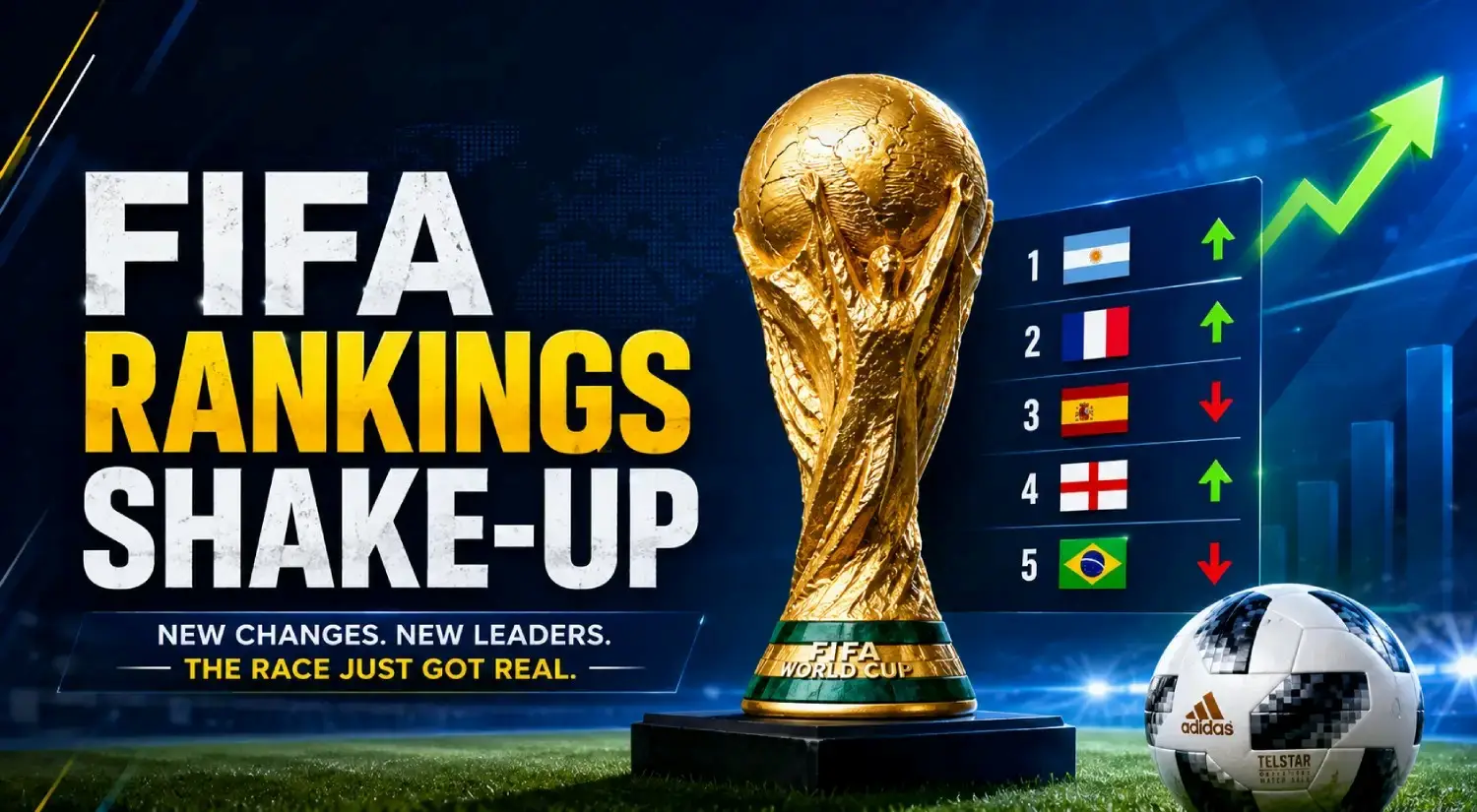
FIFA dropped their latest rankings on July 16, and the top of the table looks very different than it did a week ago. Argentina are back at number one. Spain have leapfrogged France into second. And France, who held the top spot before the semi-finals, have slipped to third. England stay put in fourth. Two matches remain—the third-place playoff and the final—so this story isn’t quite finished. But the shake-up we’ve already seen tells you a lot about how wild this World Cup has been.
The semi-finals delivered drama, heartbreak, and a hefty points swing. Argentina’s 2-1 comeback win over England earned them 26.90 points, enough to vault from third to first. That’s a massive jump this late in the tournament, and it reflects just how heavily weighted these knockout matches are. Spain, meanwhile, pocketed 30.82 points for their commanding 2-0 win against France. That pushed them from third to second, within striking distance of the top. France gained nothing from their loss, so both Argentina and Spain sailed past them.

It’s worth pausing on that for a moment. The top four in the FIFA rankings—Argentina, Spain, France, England—all made the World Cup semi-finals. That has never happened before. The rankings have their critics, but when the four highest-rated teams all end up battling for a spot in the final, the system is doing something right. These numbers aren’t just abstract calculations. They reflect genuine quality, and the semi-final line-up proved it.
How the Top 10 Looks Right Now
Argentina lead with 1970.37 points. Spain are breathing down their necks at 1965.61. France sit at 1948.97, a fair bit behind but still within range if results go their way in the third-place match. England hold fourth with 1889.42, a gap they’ll want to close. Brazil round out the top five at 1804.92, followed closely by Morocco at 1803.99. Portugal, Belgium, Netherlands, and Mexico complete the top ten, all hovering in the 1700s.
The tightness between Brazil and Morocco is worth a mention. Morocco have quietly climbed to sixth, and their consistent tournament performances are now reflected in the rankings. They’re not just a feel-good story anymore. They’re a legitimate top-tier side, and that 0.93-point gap between them and Brazil shows how quickly the traditional powers are being challenged.
Two Matches Left, and the Rankings Are Still in Play
What makes this rankings update interesting is that it’s not final. The third-place playoff between France and England on July 18 and the final between Spain and Argentina on July 19 will both feed into the next update, scheduled for July 20. That means the order we see right now could change again.
France and England both have something to fight for beyond the bronze medal. A win for either side in Miami could shift points enough to close gaps or even trigger a position swap. France want to stay ahead of England and keep pressure on Spain. England want to narrow the distance, and a convincing win might just lift them past their old rivals. The margins are small enough that every goal could matter.
Then there’s the final at MetLife Stadium. Argentina versus Spain. The winner takes the World Cup trophy, but they also likely take the number one ranking. If Argentina win, they solidify their hold on top spot. If Spain win, they’ll almost certainly leapfrog Argentina and finish the year as the world’s best. It’s a double prize—glory and bragging rights in one match.
A Quick Look at How These Rankings Actually Work
The FIFA ranking system can feel opaque, but the logic is straightforward. Teams earn points based on match results, with more weight given to competitive fixtures. A World Cup knockout match counts far more than a friendly, which is why the semi-finals caused such a big swing. The strength of the opponent matters too. Beating a higher-ranked team earns you more points. The formula was revamped in 2018 to make it more transparent, and most observers agree it’s now a fair reflection of team strength.
For nations that didn’t make the semi-finals, the rankings are already locked for this cycle. But for the final four, the next update is the one that will go into the record books. That’s why these last two matches carry extra meaning.
Who Else Moved?
Beyond the top four, there were some notable climbers and fallers. Norway were the biggest risers, jumping 12 spots to 19th after their historic quarter-final run. With Erling Haaland up front, they’ve established themselves as a team to watch, and their ranking now matches their growing reputation.
Brazil slipped to fifth, which will sting. They were knocked out by Norway in the Round of 16, and dropping outside the top four is a significant fall for a nation that expects to compete for titles. Portugal also fell, landing in seventh after their own early exit. Morocco’s rise to sixth pushed them down, and questions about an aging golden generation are starting to surface.
Further down the list, Southeast Asian football fans will note that Indonesia sit at 118th, behind Thailand (94th) and Vietnam (99th). Progress is slow, but the rankings give these nations a clear target to chase.
Read More Blogs :
1. Spain vs Argentina: the best defence in the world against the man who bends finals
2. England vs India, 3rd ODI
Why Any of This Matters
Rankings aren’t just for bragging rights. They determine seedings for World Cup qualifying draws. A higher ranking can mean an easier path to the next tournament, which for smaller nations can be the difference between making it and missing out. For the elite sides, staying in the top pot avoids early clashes with other giants and shapes the entire qualifying campaign.
For Argentina, being number one reinforces their status as the team to beat. They’ve won the World Cup and now sit atop the rankings. That psychological edge matters. For Spain, a win in the final would complete a remarkable ascent and give them a legitimate claim to being the best team on the planet. France’s slip is a setback, but a strong showing in the third-place match could limit the damage. England, consistently top-four, will feel they’re close but not quite there yet.
The rankings are a snapshot, not a final judgment. But they capture a moment, and this moment is fascinating. The top of world football is tighter than it’s been in years, and the next update on July 20 will draw a line under a tournament that has delivered chaos, quality, and a new world order.
The final match will decide a champion. The rankings will decide who ends the year as number one. Both are still up for grabs.